

Decreto Supremo 160 Explained: Chile’s Liquid Fuel Safety Law
Ever tried reading a legal decree cold, no context, straight off a government gazette? Rough. Genuinely rough. Dense language, cross-references everywhere, articles pointing to other articles. I’ve been there, honestly, squinting at a PDF wondering what half of it actually meant in practice.
So let’s do the opposite here. Plain language. Actual substance.
What Is Decreto Supremo 160, Really?
Decreto Supremo 160, often shortened to DS 160, is a Chilean regulation covering the safety of liquid fuel operations. Full title, roughly translated: the Safety Regulation for Facilities and Operations of Production, Refining, Transport, Storage, Distribution, and Supply of Liquid Fuels.
Mouthful, I know. But the core idea’s simple enough once you strip away the formal language: it’s the rulebook for how fuel, petrol, diesel, kerosene, and certain biofuels, gets handled safely across its entire journey. From the moment it’s produced or refined, right through transport and storage, all the way to the pump.
It was issued by Chile’s Ministry of Economy, Development, and Reconstruction, and it’s officially registered in Chile’s national legal database, LeyChile, run by the National Congress Library. That’s about as verifiable as a legal source gets, honestly, straight from the government’s own archive.
Why Does a Regulation Like This Even Exist?
Fair question. Liquid fuels are, by their nature, dangerous stuff. Flammable, sometimes toxic if mishandled, genuinely capable of causing serious harm if storage or transport goes wrong.
Chile, like most countries with significant industrial fuel operations, needed a structured, enforceable set of standards rather than leaving safety up to individual companies’ good judgement. I think that’s the honest, unglamorous reason behind most regulations like this. Not bureaucracy for its own sake, but a direct response to real, preventable risk, fires, spills, toxic exposure, the kind of incidents that happen when standards aren’t consistently enforced.
DS 160 replaced older, outdated safety decrees, updating Chilean industrial standards to better match modern engineering practice. Regulations age, honestly, the same way any technical standard does. Updating them periodically isn’t optional if you actually want them to keep working.
Who Does It Actually Apply To?
If you’re operating, or working within, any of the following in Chile, this regulation is genuinely relevant to you:
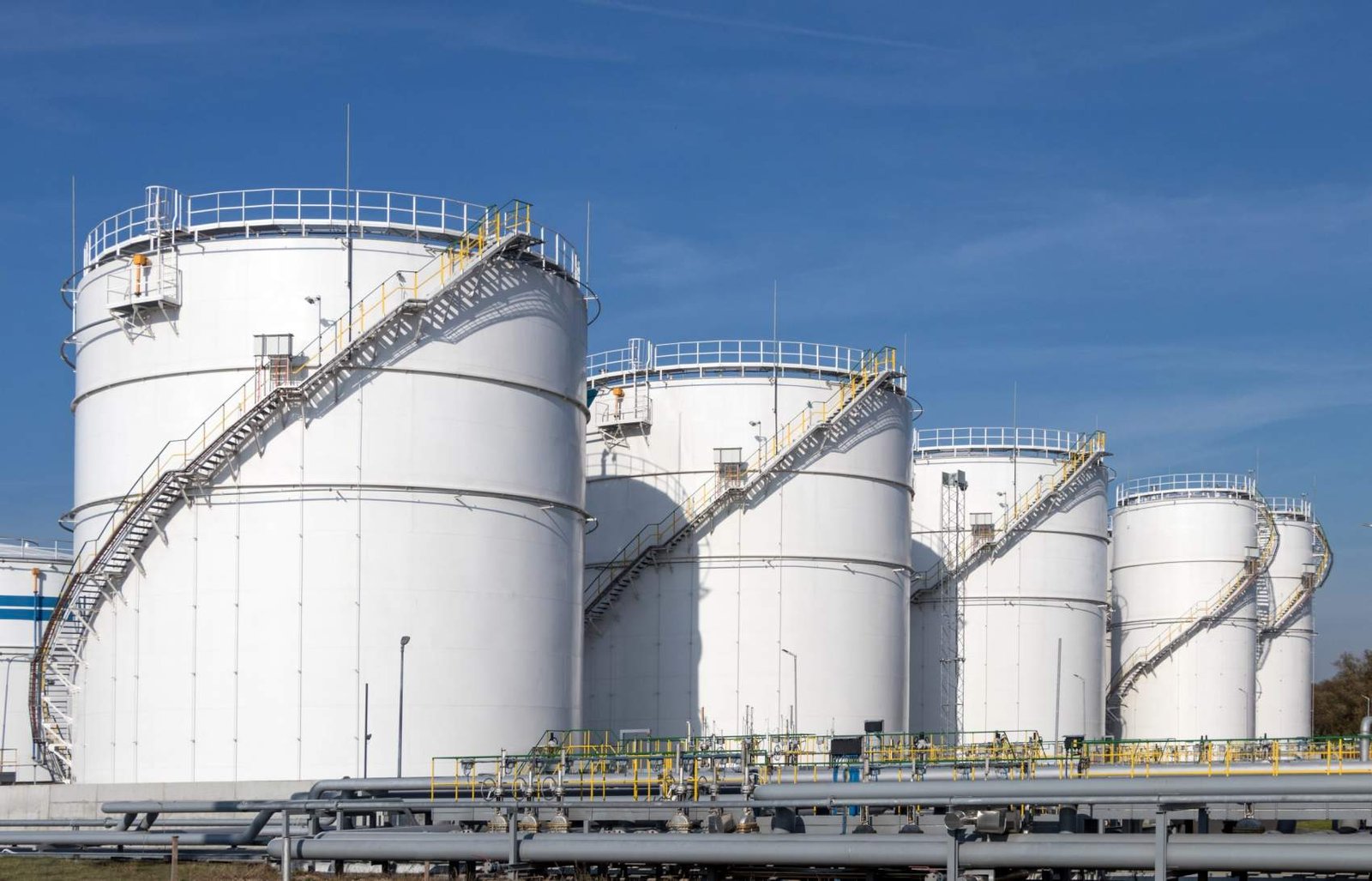
- Fuel storage facilities — tanks, depots, distribution centres.
- Transport fleets — vehicles moving liquid fuel between locations.
- Production and refining operations — facilities actually processing raw fuel products.
- Distribution networks — the broader supply chain getting fuel from source to end user.
Basically, if your business touches liquid fuel at any stage between production and final sale, DS 160 has something to say about how you’re expected to operate.
What Does the Regulation Actually Require?
In broad strokes, based on the official regulation text, a few core areas get covered:
Facility and tank standards. Storage tanks need to meet approved construction requirements, using materials suited to safely containing flammable liquids long-term.
Fuel classification. The regulation defines liquid fuels and classifies them according to their flash point, essentially, how easily they ignite, which then determines what specific safety measures apply.
International standards as backup. Where Chilean technical provisions don’t cover a specific situation, the regulation requires compliance with relevant international standards instead. A sensible approach, honestly, rather than leaving gaps unaddressed.
Ongoing compliance and inspection. Enforcement sits with the Superintendencia de Electricidad y Combustibles, generally known as the SEC, Chile’s energy sector regulator. They handle registration, inspections, and enforcement action where facilities fall short.
What Happens If a Company Doesn’t Comply?
Non-compliance carries real consequences, generally ranging from fines through to more serious enforcement action, depending on severity and repeat offences. The SEC conducts inspections specifically to catch and address gaps before they turn into actual incidents, fires, spills, that sort of thing.
I think that’s the right framing, honestly. This isn’t a decree written to punish businesses for the sake of it. It’s written because the alternative, unregulated fuel handling, has a genuinely poor safety track record globally, not just in Chile specifically.
A Quick Word on Confusion Around the Name
Worth flagging honestly: you’ll find some content online claiming “Decreto Supremo 160” also refers to a completely separate Chilean food-labelling law, or even different regulations entirely in Peru and Bolivia sharing the same number.
Decree numbering in Latin American legal systems resets periodically and varies by ministry, so it’s genuinely possible for different countries, or even different ministries within the same country, to issue decrees sharing the same number for entirely unrelated matters. That said, I’d treat specific claims about a “second version” cautiously unless you can trace them back to an official government source directly. When it comes to legal compliance specifically, always verify against the primary government registry for your exact jurisdiction, not a general blog summary, this one included.
Why This Matters, Even If You’re Not in the Fuel Industry
I think regulations like DS 160 are worth understanding even outside their direct industry, honestly. They’re a decent case study in how modern safety law actually works, translating a broad principle, “keep people safe from fuel hazards”, into specific, enforceable, technical requirements that facilities can actually follow and be checked against.
That’s the real function of a supreme decree in systems like Chile’s. Parliament passes the broad law. The executive decree fills in the practical, technical detail underneath it. Neither piece works properly without the other.
Final Thoughts
Decreto Supremo 160 is, at its core, a genuinely sensible piece of safety regulation, born out of real, preventable industrial risk, covering the full lifecycle of liquid fuel handling in Chile. Dense reading in its original form, sure, most legal text is. But the underlying purpose is straightforward: keep dangerous materials handled safely, and hold the people responsible for that handling properly accountable.
If your work actually touches Chile’s fuel industry, this isn’t background reading. It’s the rulebook. Worth checking the primary source directly, not just summaries like this one, before making any real compliance decisions.
Useful links:











Leave a Reply