

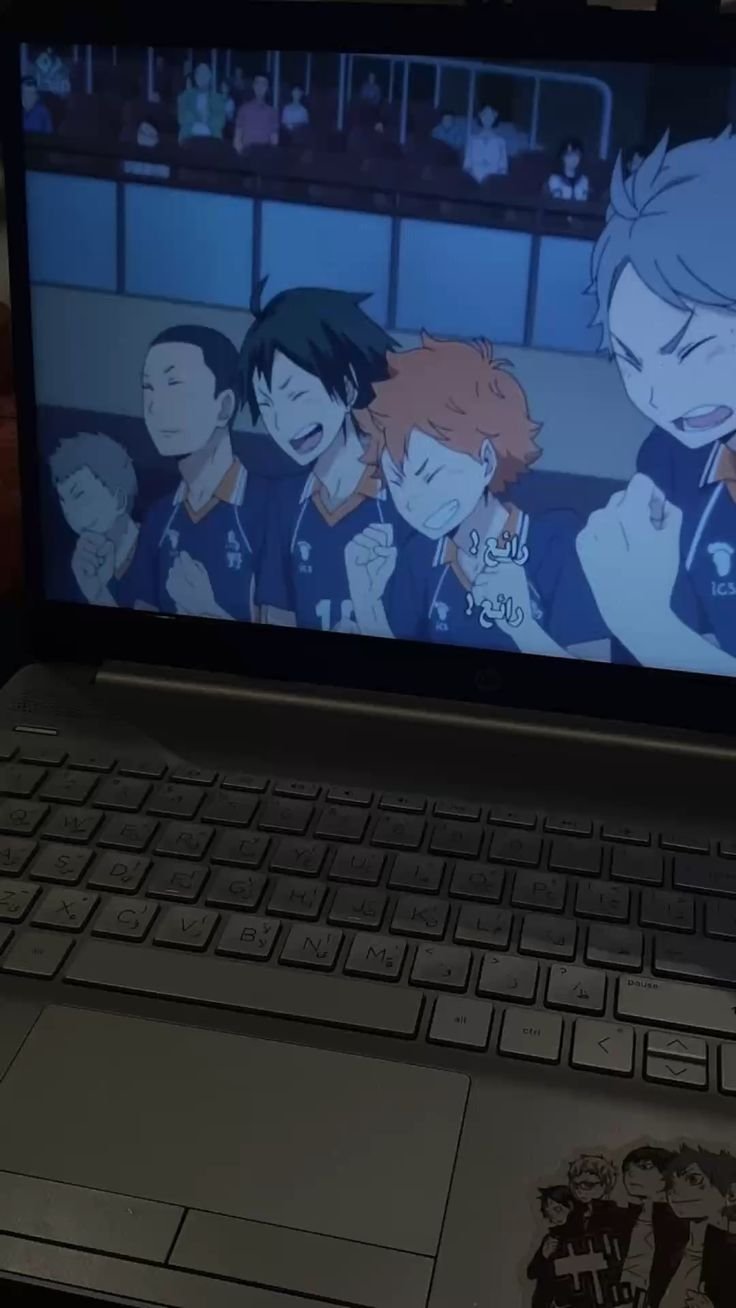
Anime9 Explained: Is It Safe, Legal, and Actually Worth the Risk?
Someone in a Discord server drops the link. “Just use Anime9, it’s got everything.” Free, no subscription, thousands of episodes. Tempting, right? I get it. But there’s a fair bit you should know before you click through, and honestly, most people skip straight past this part.
Let’s actually dig in properly.
What Is Anime9?
Anime9, more widely known as 9anime, is a free, ad-supported streaming site offering a massive library of anime, subbed and dubbed both, without needing a subscription or, usually, even an account.
It’s genuinely one of the most searched anime sites online, which tells you something about how big the appeal is. Huge variety, easy access, zero cost. On paper, that’s a pretty compelling pitch, especially for younger fans or anyone priced out of multiple streaming subscriptions.
Here’s the catch, though, and it’s a real one: the site doesn’t hold licensing rights to the anime it streams.
Is Anime9 Legal?
Short answer: no, not really, and this isn’t really up for debate at this point.
The site streams anime without securing the required licenses from the studios and distributors who actually own the content. That puts it squarely in illegal or, at best, seriously grey-area territory, depending on which country you’re in.
In places like India, for instance, this runs directly against copyright law, specifically legislation designed to protect exactly this kind of digital content. Similar copyright protections exist across most countries, honestly, this isn’t some obscure legal technicality specific to one region.
Some internet providers have gone as far as blocking the site entirely because of repeated copyright infringement. When that happens, people sometimes reach for a VPN to get around the block. Worth being clear, though: bypassing a block doesn’t make the underlying activity legal. It just makes it harder for your provider to see.
Is It Actually Safe to Use?
This is honestly the bit I’d worry about more than the legal side, if I’m being straight with you.
The site itself typically doesn’t host malware directly. But because it operates unregulated, outside any official licensing or oversight structure, its ad networks are a genuine minefield. A few specific risks worth knowing:
Malvertising. Malicious actors inject ads carrying scripts that can install malware onto your device, just from clicking the wrong “play” button.
Fake download or play buttons. Multiple buttons on the page, only one’s usually the real one. The rest are disguised ads.
Phishing risks. Some clone or mirror versions of the site ask for an email and password to register, information that’s genuinely exposed if the site isn’t properly secured.
Domain instability. Because the original domain keeps getting hit with copyright takedowns, the site frequently shifts addresses. That constant churn has led to a surge of fraudulent copycat sites using the same name, sites that may be considerably less trustworthy than whatever the “main” version currently is.
One security review put it fairly bluntly: using a site like this without protection, no VPN, no ad-blocker, genuinely introduces real security and privacy exposure.
What About the Ethical Side?
Worth mentioning honestly, because it’s a real part of the picture, not just a legal technicality.
Watching anime through unlicensed sites means the actual creators, animators, voice actors, and studios don’t see a penny from your viewing. One animator, quoted in a piece covering exactly this issue, put it plainly: they pour genuine effort into these stories, and sites like this take that work without anything going back to the people who made it.
That matters more than it might seem at first glance. Anime production, particularly on the animator side, is famously underpaid work already. Piracy doesn’t help that problem. If anything, it compounds it.
Why Do People Still Use It Anyway?
Fair question, and the honest answer usually comes down to two things: cost and access. Legal streaming subscriptions add up fast if you’re watching across multiple platforms, and younger fans especially often can’t justify that expense.
Access matters too. Some titles simply aren’t available legally in certain regions, at least not yet, which pushes fans toward unofficial sources out of genuine frustration rather than any real desire to skip paying creators.
Understandable pressures, honestly. They just don’t erase the real risks sitting on the other side of that decision.
Better, Legal Alternatives
The good news is the legal anime streaming landscape has genuinely improved a lot in recent years. A few solid options worth checking out:
- Crunchyroll. The biggest legal anime platform out there, simulcasts landing shortly after they air in Japan, free ad-supported tier alongside a paid premium option.
- Funimation. Particularly strong for dubbed anime specifically, if that’s your preference.
- Netflix and Hulu. Both have genuinely growing anime libraries at this point, reliable streaming, no sketchy ads.
- Official YouTube channels. Muse Asia, Ani-One Asia, and Toei Animation all legally upload full episodes for free, genuinely worth checking before assuming free means unofficial.
Final Thoughts
Anime9 offers exactly what it promises on the surface, free, easy, huge variety. What it doesn’t mention up front is the legal grey area, the real security risks tied to its ad ecosystem, and the fact that creators see nothing from your viewing.
If cost or access is the real barrier, and for a lot of people it genuinely is, the legal options have gotten a lot more accessible lately. Worth giving them an honest look before reaching for the free-but-risky version. The gap between “free” and “actually free of consequences” is bigger than it first appears.
Useful links:






Leave a Reply