

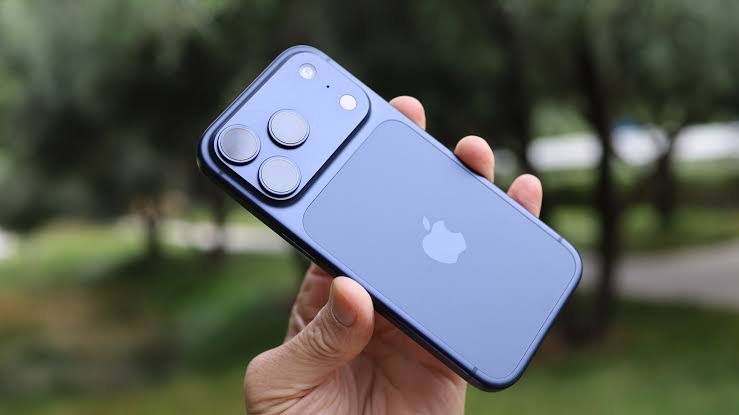
iPhone 18 Pro Pricing: Why Apple Is Under Pressure to Keep Costs Down
Apple has built a reputation for holding iPhone prices steady even as component costs shift year to year. But heading into the iPhone 18 lineup, that strategy is facing one of its toughest tests yet. A global memory chip shortage is squeezing margins across the entire smartphone industry, and reports suggest Apple is now pushing suppliers for display price cuts on the iPhone 18 Pro to help offset those rising costs elsewhere in the device.
Here’s what’s driving the pressure on Apple’s pricing strategy, and what it could mean for iPhone buyers later this year.
Why Apple Is Pushing for iPhone 18 Pro Display Price Cuts
According to industry reports, Apple has been negotiating with display suppliers to reduce costs on iPhone 18 Pro panels. While Apple hasn’t publicly confirmed the specifics of these negotiations, the move lines up with a broader challenge the company has acknowledged in recent earnings calls: rising memory costs tied to the ongoing global RAM shortage.
The Memory Shortage Is the Real Driver
A global shortage of DRAM and NAND flash memory, fueled largely by AI data center demand, has pushed component costs higher across the smartphone industry throughout 2026. Because memory is a core, non-negotiable component in every iPhone, Apple has limited ability to avoid the cost increase directly. Pushing for savings elsewhere in the device, such as displays, is one way manufacturers can try to offset that pressure without raising retail prices.
What Apple Has Said About Pricing
Apple has been notably cautious in how it discusses pricing pressure publicly. During recent earnings calls, the company acknowledged that memory costs had only a “minimal impact” on margins in the first quarter of 2026, but signaled that the following quarter would feel the effects “a bit more.”
Reading Between the Lines
That kind of carefully hedged language is unusual for Apple, which typically avoids commenting on future pricing decisions. Analysts have interpreted the shift in tone as a sign that Apple is actively managing cost pressure behind the scenes, even if it isn’t ready to confirm whether iPhone 18 prices will ultimately increase.
Apple Is Better Positioned Than Most
Despite the pressure, analysts widely consider Apple one of the manufacturers best equipped to weather the memory shortage, alongside Samsung. Apple’s scale gives it more negotiating leverage with suppliers, and its premium pricing structure leaves more room to absorb rising costs than budget or mid-range phone makers face.
How This Fits Into the Broader Smartphone Pricing Story
Apple isn’t alone in navigating this challenge. Every major phone manufacturer is dealing with the same underlying issue: memory now makes up a significantly larger share of a smartphone’s total build cost than it did just a couple of years ago.
Samsung and Google Are Facing Similar Pressure
Samsung reportedly increased pricing on its Galaxy S26 lineup partly due to rising LPDDR5 memory costs, and Google has acknowledged that its upcoming Pixel 11 lineup is expected to cost more than its predecessor for similar reasons. Apple’s supplier negotiations appear to be part of the same industry-wide response to rising memory costs, just executed through a different lever — cutting costs on components like displays rather than adjusting RAM configurations.
Why Displays Are a Logical Target
Display technology has matured significantly over the past several years, giving Apple more room to negotiate cost reductions with suppliers without necessarily sacrificing visible quality. This makes displays a more practical place to find savings compared to memory, where Apple has far less flexibility given how central RAM and storage are to iPhone performance and marketing.
What This Could Mean for iPhone 18 Pro Buyers
It’s still too early to know exactly how this pressure will play out for consumers, but a few scenarios are worth watching.
Prices Could Stay Flat
If Apple successfully secures meaningful display cost savings, it’s possible the company could hold iPhone 18 Pro pricing steady despite rising memory costs elsewhere, continuing its long-standing pattern of stable year-over-year pricing.
Prices Could Rise Modestly
Alternatively, Apple may still pass some cost increases on to consumers, particularly if memory prices continue climbing as Counterpoint Research and other analysts expect through the middle of 2026.
Specs Are Less Likely to Be Cut
Unlike some competitors trimming RAM or storage on budget models, Apple is unlikely to reduce specifications on its Pro lineup, given how central performance and camera capability are to its premium positioning. Any cost adjustments are more likely to show up in pricing than in reduced hardware.
How Apple Compares to Competitors Right Now
With Samsung having just unveiled an expanded foldable lineup and Google confirming a Pixel 11 launch for August, Apple’s iPhone 18 pricing decisions will land in the middle of an unusually competitive and cost-sensitive stretch for the entire smartphone industry. How Apple balances protecting its pricing reputation against rising component costs could set a tone for how the rest of the premium smartphone market responds in the months ahead.
Final Thoughts
Apple’s push for iPhone 18 Pro display price cuts is less about displays themselves and more about the company’s broader effort to protect its pricing strategy amid a global memory shortage reshaping the smartphone industry. Whether Apple ultimately holds the line on pricing or passes some costs on to consumers, this story is a clear sign that even the industry’s most profitable phone maker isn’t immune to the pressures reshaping smartphone economics in 2026.












Leave a Reply