

Why Smartphone Prices Are Rising in 2026: The RAM Shortage Explained
If your next phone upgrade feels more expensive than it should, you’re not imagining things. A global shortage of memory chips is quietly reshaping the smartphone industry in 2026, and it has nothing to do with new features or flashy designs. Instead, it comes down to a resource every phone needs but can no longer get enough of: RAM.
Here’s what’s driving the shortage, how it’s affecting phone prices, and what it means for anyone planning to buy a new device this year.
What’s Causing the Smartphone RAM Shortage
The root of the problem isn’t a factory shutdown or a supply chain disruption — it’s demand. AI data centers around the world need enormous amounts of memory to train and run large AI models, and that demand is now competing directly with the memory needed to build smartphones, laptops, and other consumer devices.
According to Counterpoint Research, mobile DRAM prices have climbed sharply since early 2025, and NAND flash storage costs have followed a similar trajectory. Memory now accounts for a much larger share of the total cost to build a smartphone than it did just a couple of years ago.
Why AI Is to Blame
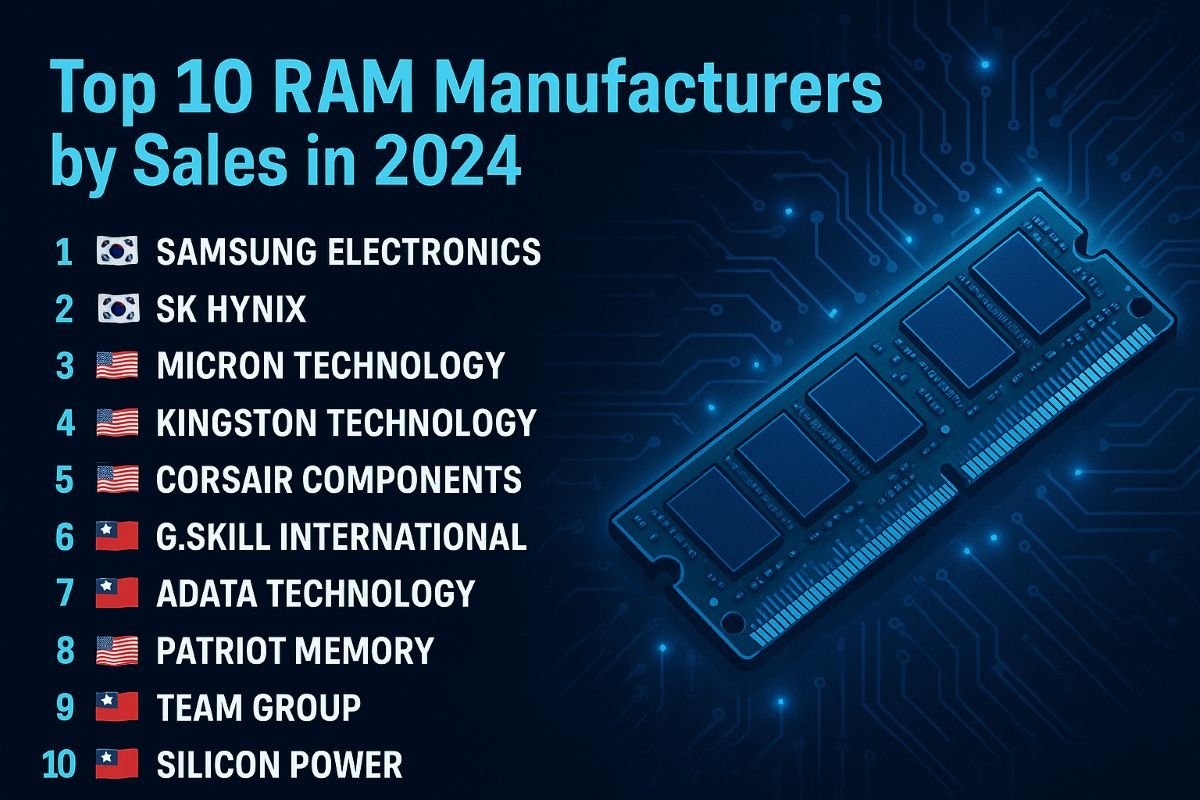
Data centers used for AI training and inference rely on massive volumes of high-performance memory. As AI infrastructure spending has accelerated, chipmakers like SK Hynix, Samsung, and Micron have prioritized high-margin data center orders over consumer electronics contracts. That’s left phone manufacturers competing for a shrinking supply of the same components.
It’s Not a Temporary Blip
Unlike past supply chain disruptions caused by factory closures or shipping delays, this shortage is demand-driven, which analysts say makes it harder to predict and slower to resolve. New memory production facilities, including SK Hynix’s M15X plant, are expected to come online in 2026, but other major expansions, like Micron’s Idaho fabs, aren’t expected to start production until 2027. Meaningful price relief may not arrive until 2028.
How This Is Affecting Smartphone Prices
Counterpoint Research has revised its 2026 forecasts upward, now expecting the average selling price of smartphones to rise close to 7% year-over-year, a steeper increase than initially predicted. At the same time, global smartphone shipments are expected to decline, as some manufacturers pull back production rather than sell devices at a loss.
Budget Phones Are the Most Vulnerable
Memory costs affect every price tier, but budget smartphones are especially exposed. On a $150 phone, memory can account for 25–30% of the total cost to build the device, leaving almost no room to absorb a sudden price spike. Some industry analysts have gone so far as to describe ultra-cheap phones under $100 as becoming “permanently uneconomical” for manufacturers to produce.
Flagship Phones Are Better Protected — For Now
Premium devices from Apple and Samsung are considered better positioned to weather the shortage, since memory makes up a smaller percentage of their overall cost. That said, even flagship pricing isn’t immune. Reports suggest the Galaxy S26 line launched at a higher price partly due to rising LPDDR5 memory costs, and Apple has acknowledged that memory pressure on its margins is expected to increase throughout the year.
How Manufacturers Are Responding
Phone makers are handling the shortage in a few different ways, and not all of them are obvious to consumers.
Raising Prices Directly
Some brands are simply increasing retail prices to offset higher component costs, particularly on mid-range and budget devices where margins are already thin.
Reducing Specs Instead of Raising Prices
Other manufacturers are quietly trimming RAM or storage on entry-level models to keep sticker prices stable. This approach can be harder for shoppers to spot, since the price may look unchanged while the actual specifications quietly get scaled back.
Repositioning “Upgrades” as Value
In some cases, manufacturers have framed reduced configurations as improvements — for example, marketing a shift from 128GB to 256GB base storage as a value upgrade, even though the change is largely a response to component costs rather than a purely consumer-driven decision.
What This Means If You’re Buying a Phone in 2026
If you’re due for an upgrade, a few practical takeaways can help you navigate the current market.
Expect Less Room to Negotiate on Specs
Budget and mid-range phones may ship with less RAM or storage than you’d expect for the price, so it’s worth double-checking specifications rather than assuming continuity with last year’s models.
Flagship Phones May Offer More Stability
If predictable specs matter to you, premium devices from established brands may be a safer bet in the short term, since manufacturers are prioritizing protecting those product lines.
Timing Matters Less Than You’d Think
Because this shortage is driven by structural AI demand rather than a short-term disruption, waiting a few months is unlikely to result in meaningfully lower prices. Analysts don’t expect real relief until new memory production capacity comes online over the next one to two years.
Final Thoughts
The smartphone RAM shortage of 2026 is a reminder of how deeply connected consumer electronics have become to the broader AI boom. As data centers continue to consume a growing share of the world’s memory supply, phone buyers are left absorbing some of the cost — whether through higher prices, reduced specs, or both. Understanding why this is happening can help you make a smarter, more informed decision the next time you’re ready to upgrade.












Leave a Reply