

What Is Thetanel.co.uk? An Honest Look Behind the Domain
You land on thetanel.co.uk expecting, I dunno, a normal blog maybe? A business site? Something with an obvious identity. Instead you get a homepage covering beauty trends, flail mowers, quantum computing, and a Sharon Tate biography, all mixed together with zero apparent connection. Bit jarring, honestly.
So what’s actually going on here? Let’s dig in properly.
First Impressions Are Genuinely Confusing
Here’s the thing that struck me first. Real websites, even broad “lifestyle” blogs, usually have some kind of throughline. A niche. A voice. Something that tells you why the content sits together on one domain.
Thetanel.co.uk doesn’t really have that. Its own homepage describes itself as covering “music, celebrity news, politics, finance, travel, food, marketing, tech, and make-up trends,” basically everything, all at once. That’s not really a niche. That’s more of a content dumping ground, if I’m honest.
The articles read like it too, generic explainer pieces on things like anti-aging tips, skin types, and municipal flail mowers, sitting right alongside pieces about large language models and quantum computing. No obvious editorial thread connecting any of it.
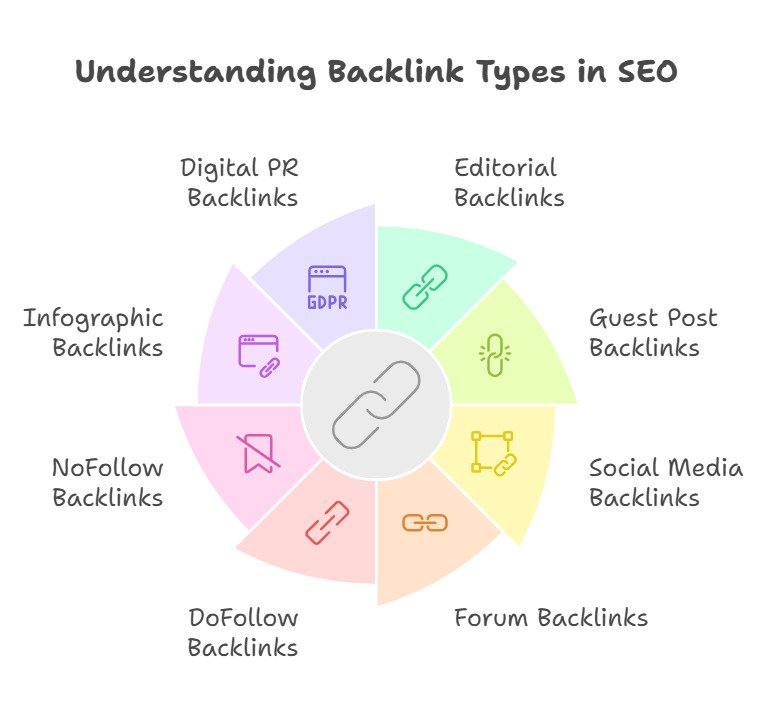
The Bigger Red Flag: It’s Being Sold as a Backlink Site
Here’s where things get clearer, and honestly, a bit less flattering. Search around for thetanel.co.uk, and you’ll find it listed, repeatedly, across guest-posting marketplaces. Sites where people literally pay to have an article published on a domain purely to get a backlink, a link pointing back to their own website, which can help their own Google rankings.
I found it listed for sale on at least four separate platforms, prices ranging anywhere from around $10 up to $80 for a placement, depending on the seller and the supposed “authority” being claimed. One listing even specifies rules, no words like “Best,” “Review,” or “Cheap” in titles, no footer links, minimum word counts, standard stuff for this kind of arrangement.
That’s not necessarily illegal, or even particularly unusual, honestly. Guest posting is a real, if controversial, part of the SEO industry. But it does tell you something important: whatever content shows up on thetanel.co.uk is often written and submitted specifically to earn a link, not because someone at the site genuinely wanted to cover that topic.
Wait, Is It a Property Maintenance Company Too?
Here’s where it gets genuinely odd. One separate article I came across describes thetanel.co.uk as “an online platform dedicated to providing professional property maintenance and improvement services,” complete with details about repairs, decorating, and electrical work.
That description doesn’t match anything else found about the site, not the domain’s own homepage, not the guest-posting listings, nothing. It reads like another piece of content written purely to rank for the domain name itself, unrelated to what the site actually does. Worth being wary of, honestly, since it directly contradicts the site’s own self-description.
What This Pattern Usually Means
Sites structured like this, broad, unfocused content, actively sold for backlinks, sometimes described inconsistently across the web, generally fall into a category the SEO world calls a PBN, or private blog network. Basically, a site built or acquired mainly to host links for other websites, rather than to serve genuine readers with a clear purpose.
I’m not saying that with certainty, to be fair, I can’t see the site’s internal operations. But the pattern lines up closely: generic tagDiv-templated design, unrelated topic sprawl, and multiple active guest-post-for-sale listings across several separate marketplaces. That’s a pretty consistent signature.
Should You Trust Content You Find There?
I’d apply a fair bit of caution, honestly. Not because every article is necessarily wrong or harmful, generic explainer content about skin types or anti-aging isn’t dangerous. But the underlying purpose of the site seems to be link generation first, genuine reader value second, if at all.
A few things I’d personally check before trusting anything sourced from a site like this:
- Cross-reference any factual claims against a more established, clearly authored source.
- Be sceptical of author credentials, or the total absence of them, generic content mills rarely feature named, verifiable experts.
- Notice if the topic range feels randomly broad rather than focused, that’s often a tell.
- Check whether the “About” page actually matches what the rest of the site covers, mismatches are a real warning sign.
Should You Buy a Guest Post There?
If you’re weighing whether to pay for a placement on thetanel.co.uk specifically, for backlink purposes, I’d genuinely think twice. Google’s algorithm updates have gotten noticeably better at spotting exactly this kind of low-effort, broad-topic content network, and links from sites like this can carry real risk rather than real benefit these days. What might’ve worked for SEO five years ago doesn’t necessarily hold up anymore.
Final Thoughts
Thetanel.co.uk isn’t a scam in the dramatic, hand-over-your-bank-details sense. But it doesn’t look like a genuine, purpose-driven publication either. It reads much more like infrastructure, a domain built to host paid content and generate backlinks, wrapped in just enough generic articles to look active.
Worth knowing before you cite it, trust it, or pay to be featured on it, honestly. Not every domain with a homepage and some articles is what it first appears to be.









Leave a Reply