

Apple Store Explained: History, Design, and What to Expect
Estimated read time: 6 minutes
You know that feeling walking into an Apple Store? Bright, quiet, almost weirdly calm for a shop selling phones and laptops. I think that’s not an accident. It’s genuinely designed that way, on purpose, down to the lighting.
Let’s actually unpack why.
Table of Contents
- Where Did the Apple Store Actually Start?
- What Actually Makes an Apple Store Different?
- The Genius Bar (Now the “Genius Grove”)
- “Today at Apple” Sessions
- The Flagship Stores Worth Knowing About
- Buying, Trading In, and Picking Up Online Orders
- Not Every Store Stays Open Forever
- Is It Worth Visiting In Person, or Just Shop Online?
- FAQ
- Final Thoughts
Where Did the Apple Store Actually Start?
Here’s a fact that surprises a lot of people: Apple’s retail stores didn’t launch alongside the iPhone or even the iPod. The very first two stores opened back in 2001, in Tysons Corner, Virginia, and Glendale, California. Long before “Apple Store” became a household phrase, this was a genuinely risky bet, honestly, plenty of analysts at the time thought a computer company opening physical shops was a mistake.
It clearly wasn’t. From those two original locations, Apple’s retail footprint has grown into well over 500 stores spread across the globe today. That’s a pretty wild growth curve for something that started as a two-store experiment.
What Actually Makes an Apple Store Different?
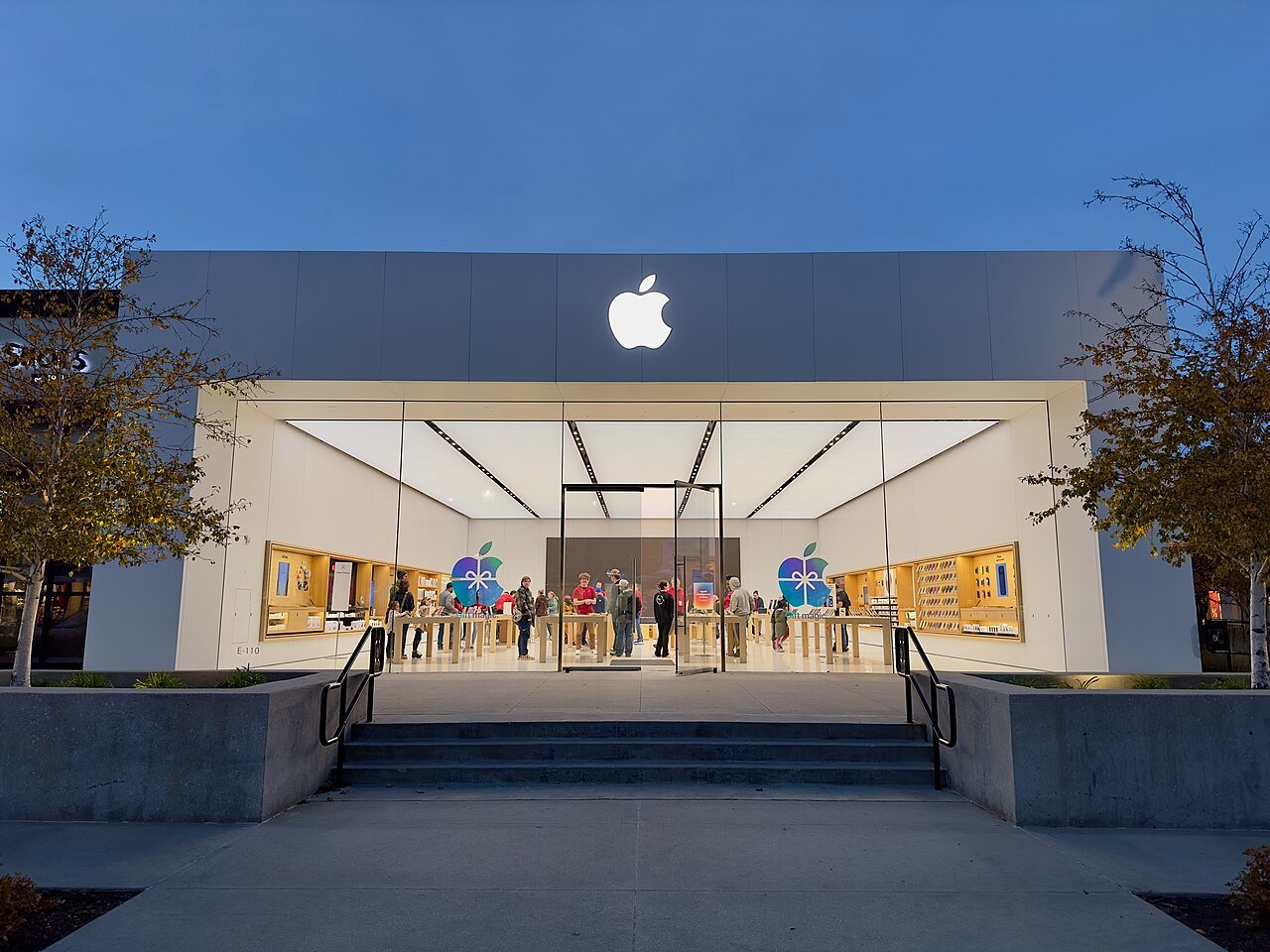
I think the honest answer is: it doesn’t really feel like shopping. It feels more like wandering into a very tidy showroom that happens to also sell things.
Products sit out, unboxed, fully functional, encouraging you to actually touch and use them rather than stare at a sealed box on a shelf. No pushy sales pitch waiting at the door either, at least not in the traditional sense. Staff tend to hover nearby, genuinely happy to help if you want it, but not hovering in that uncomfortable, commission-driven way you sometimes get elsewhere.
That design choice, open tables, minimal clutter, huge glass windows, wasn’t accidental. It was deliberately built to feel more like a community space than a typical electronics retailer. Whether that’s genius marketing or genuine customer care probably depends who you ask, honestly. Maybe it’s both.
The Genius Bar (Now the “Genius Grove”)
If you’ve ever cracked a phone screen or had a laptop mysteriously stop charging, you’ve probably ended up here. The Genius Bar, now often referred to as the “Genius Grove” in newer store layouts, is Apple’s in-store tech support and repair hub.
You book an appointment, walk in, and an actual human being looks at your actual device, rather than reading a script off a screen. In my experience, it’s honestly one of the more pleasant tech support interactions out there, compared to, say, sitting on hold for forty minutes with a phone provider.
How to Book a Genius Bar Appointment
- Open the Apple Support app, or head to Apple’s support website.
- Select your device and describe the issue.
- Choose a nearby store and pick an available time slot.
- Show up with your device and ID for verification, if required.
“Today at Apple” Sessions
Beyond just selling products and fixing them, Apple Stores also run “Today at Apple” sessions, free workshops covering things like photography basics, music production, coding fundamentals, and creative skills using Apple devices.
I think this is a genuinely underrated part of the whole retail model. It’s not really about pushing a sale in that moment. It’s about building a relationship with the brand over time, teaching people to actually use the expensive thing they already bought, rather than leaving half its features permanently untouched.
The Flagship Stores Worth Knowing About
A handful of Apple Store locations have become genuinely famous in their own right, less “shop” and more “architectural landmark that happens to sell iPhones.”
The glass cube on Fifth Avenue in New York City is probably the most recognisable. It sits above an underground store, and the transparent cube itself has become a proper tourist stop, camera phones out, regardless of whether anyone’s actually buying anything.
London’s Regent Street location and the Tower Theater store in Los Angeles, a beautifully restored historic cinema, are two more examples where the building itself is arguably as much the draw as the products inside. I think that’s a genuinely clever strategy, honestly, turning a retail visit into something closer to a mini day out.
Buying, Trading In, and Picking Up Online Orders
Most people still associate Apple Stores with buying new devices, obviously. But the stores also handle trade-ins, letting you offset the cost of a new device against an older one you’re handing back.
Online order pickup is another big function these days, order on the website, collect in-store, sometimes within hours. It’s a genuinely convenient middle ground between fully online shopping and a dedicated in-person visit, and it’s become a much bigger part of how the stores actually operate day to day.
Not Every Store Stays Open Forever
Worth mentioning honestly, because it’s easy to assume every Apple Store is a permanent fixture: locations do occasionally close, sometimes due to lease issues, sometimes due to broader strategic shifts in a specific region. It doesn’t happen often, relative to the total store count, but it’s not unheard of either.
New locations open regularly too, though, often in fast-growing markets across Asia and the Middle East, alongside occasional flagship openings in major Western cities. The overall footprint keeps expanding even as a handful of individual locations shift around.
Is It Worth Visiting In Person, or Just Shop Online?
Honestly, depends what you need. If you’re just buying a charging cable or a case, online’s obviously faster, no argument there.
But if you’re troubleshooting a genuinely tricky device issue, or you’re curious about a new product and want to actually hold it before committing real money, the in-person visit still has real value. There’s something about physically testing a laptop’s keyboard feel, or a phone’s camera in real lighting, that a product page just can’t fully replicate, however good the photos are.
FAQ
Do I need an appointment to visit an Apple Store? Not for general browsing or buying, no. But for Genius Bar repairs or support, booking ahead through the Apple Support app or website is strongly recommended to avoid a long wait.
Can I trade in an old device at an Apple Store? Yes. Apple Stores accept eligible trade-ins, applying the value as credit toward a new purchase, either in-store or through your online order.
What is “Today at Apple”? Free in-store sessions covering skills like photography, music production, and coding, run using Apple’s own devices and open to anyone, regardless of whether you’re buying anything that day.
Is the Genius Bar free to use? Diagnosing an issue is generally free. Actual repairs may carry a cost depending on your warranty, AppleCare status, and the type of repair needed.
How many Apple Stores are there worldwide? Apple operates well over 500 retail stores globally, spread across dozens of countries, with new locations opening regularly in growing markets.
Final Thoughts
The Apple Store isn’t just a shop selling phones and laptops, not really. It’s a carefully designed piece of the broader Apple experience, part showroom, part repair centre, part classroom, occasionally part architectural landmark you’d photograph even if you weren’t buying anything.
Whether you love the brand or you’re just there for a quick screen repair, it’s honestly one of the more thoughtfully designed retail experiences out there. That’s not something you can say about most electronics shops, I think.
Useful links: