

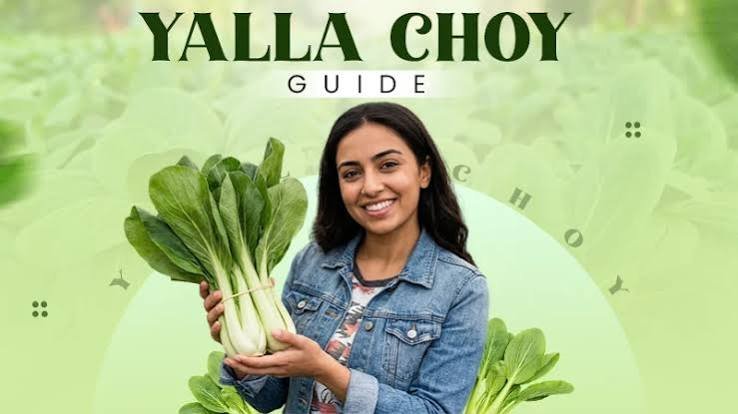
What Is Yu Choy?
If you’ve spotted “yalla choy” mentioned online or heard the name at a local market, you’re likely looking for yu choy — a tender, leafy Chinese vegetable that’s a staple in Cantonese cooking. The name varies by region and pronunciation, which is why you’ll see it spelled yu choy, yau choy, or even yalla choy depending on where you’re shopping or who’s translating.
Yu choy belongs to the Brassica rapa species, making it a close relative of bok choy, napa cabbage, and turnips. It’s often called “choy sum” as well, though the two can refer to slightly different varieties depending on the grower. What sets yu choy apart is its slender green stalks, oval leaves, and small yellow flowers — all of which are edible and prized for their mild, slightly peppery flavor with a hint of mustard.
How to Identify Yu Choy at the Store
Look for bundles with firm, bright green stems and leaves that aren’t wilted or yellowing. The flowers, if present, should be a fresh yellow rather than brown. Smaller, thinner stalks are typically more tender, while thicker stalks may need a touch more cooking time.
Nutritional Benefits of Yu Choy
Like most leafy Brassica vegetables, yu choy is a nutritional powerhouse packed into very few calories.
Vitamins and Minerals
Yu choy is a strong source of vitamin A, vitamin C, and vitamin K, along with folate and calcium. These nutrients support immune function, skin health, bone strength, and healthy blood clotting.
Fiber and Antioxidants
The stalks and leaves provide dietary fiber, which supports digestion and helps maintain steady blood sugar levels. Yu choy also contains glucosinolates — compounds found across the Brassica family that have been studied for their potential role in reducing inflammation.
Low-Calorie, High-Volume Food
Because yu choy is water-rich and low in calories, it’s a smart addition for anyone building meals around nutrient-dense, low-calorie vegetables without sacrificing portion size.
How to Cook Yu Choy
One of the biggest draws of yu choy is how quickly and easily it cooks. Unlike heartier greens, it doesn’t need long braising — a few minutes on high heat is usually enough.
Stir-Frying (The Classic Method)
The most popular preparation is a simple garlic stir-fry:
- Wash the yu choy thoroughly and trim the tough bottom inch of the stems.
- Cut the stalks into 2–3 inch pieces, separating thicker stems from leafier tops since they cook at different rates.
- Heat oil in a wok or large pan over high heat, then add minced garlic (and ginger, if desired) for about 15 seconds.
- Add the stems first, stir-frying for 1–2 minutes, then add the leaves and flowers.
- Season with a splash of oyster sauce, soy sauce, or a pinch of salt, and cook for another 1–2 minutes until just wilted.
Blanching
For a lighter preparation, blanch yu choy in boiling water for 60–90 seconds, then drain and drizzle with oyster sauce, sesame oil, and fried garlic. This method preserves the vegetable’s natural sweetness and bright color.
Adding to Soups and Noodles
Yu choy holds up well in broths and noodle soups. Add it in the final few minutes of cooking so it stays tender without turning mushy — a common addition to wonton noodle soup and congee.
Yu Choy vs. Other Asian Greens
It’s easy to confuse yu choy with similar-looking vegetables, so here’s a quick comparison.
Yu Choy vs. Bok Choy
Bok choy has thick, crunchy white stalks and rounded dark green leaves, while yu choy has thinner, more delicate green stalks and a slightly more pungent, mustard-like flavor.
Yu Choy vs. Choy Sum
Choy sum is closely related and sometimes used interchangeably with yu choy. The main difference tends to be flower color and stalk thickness, though both are prepared the same way and taste similar.
Yu Choy vs. Gai Lan (Chinese Broccoli)
Gai lan has thicker stems, larger leaves, and a more pronounced bitterness. It typically requires a slightly longer cook time than yu choy.
Where to Buy Yu Choy
Yu choy is widely available at Asian grocery stores and increasingly common in the produce section of larger supermarkets, especially in areas with a strong Asian food culture. Farmers markets are another great source, particularly in spring and fall when the vegetable is in peak season. If you can’t find it locally, seeds are also available for home gardeners — yu choy grows quickly and thrives in cooler weather.
Final Thoughts
Whether you know it as yu choy, yau choy, or yalla choy, this leafy green deserves a place in your regular cooking rotation. It’s nutrient-dense, quick to prepare, and versatile enough to fit into stir-fries, soups, and noodle dishes with minimal effort. Next time you’re at an Asian market or browsing the produce aisle, pick up a bundle and try the simple garlic stir-fry — it’s the easiest way to appreciate why this vegetable has been a kitchen staple for generations.












Leave a Reply