

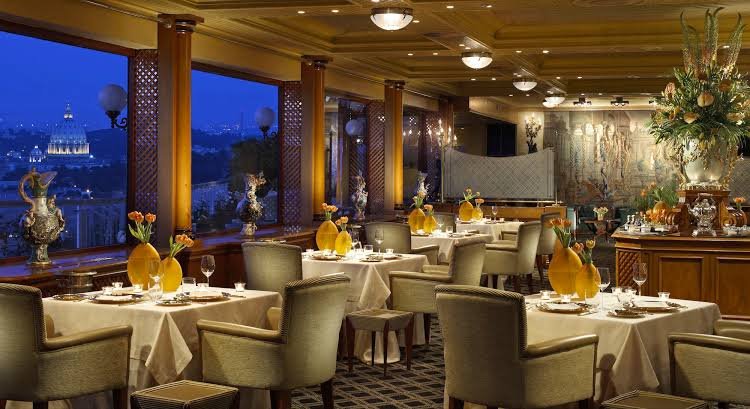
What Does “Restoran” Mean? The Word, Its Origin, and Why It’s Everywhere
Funny thing about the word “restoran.” You’ll spot it in Turkish, in Malay, in Indonesian, in Bosnian, honestly across a surprising number of languages, and it always means basically the same thing. That’s not a coincidence. There’s a genuinely interesting story behind why.
Let’s dig in.
The Simple Definition
“Restoran” simply means restaurant. A place where food is prepared and served to paying customers, sitting-down service, generally, rather than grab-and-go.
That’s the plain, no-frills definition. But the word itself carries a bit more history than you’d guess just from the everyday usage.
Where Does the Word Actually Come From?
Here’s where it gets genuinely interesting, honestly. The word traces back to French, specifically to “restaurant,” which itself comes from the verb “restaurer,” meaning to restore, or to refresh.
Originally, and this bit always surprises people, “restaurant” didn’t refer to a place at all. It referred to a food. Specifically, a restorative broth or soup, the kind of thing you’d eat to feel revitalised after being ill or exhausted. Think medicinal soup, basically, not a sit-down dinner spot.
The shift from “restorative soup” to “the place where you eat” happened in Paris, and the story’s genuinely a good one. Back in 1765, a man named Boulanger opened a small shop selling these restorative broths, advertising them on his sign using the word “restaurant.” Over time, people started calling the shop itself by that name, rather than just the soup, and eventually the meaning shifted entirely toward “a place where you eat.”
By the late 1700s, the term had fully settled into meaning what we know today, an establishment serving prepared meals to the public. From there, it spread across Europe and eventually the world, adapting its spelling as it moved from language to language.
Why So Many Languages Use “Restoran”
This is genuinely one of my favourite little linguistic quirks, honestly. Because French cuisine and French dining culture carried enormous prestige throughout the 18th and 19th centuries, the word “restaurant” travelled along with that influence, and got absorbed into languages far beyond France’s borders.
Turkish adopted it as “restoran.” Malay and Indonesian did the same, adjusting the spelling slightly to fit local pronunciation patterns. Bosnian, Serbian, and several other Balkan languages picked it up too. Even languages with completely different alphabets and grammar structures found room for this one French loanword, which says something about just how dominant French culinary culture was during that period.
I think that’s the underrated part of language history, honestly. Words like “restoran” aren’t just vocabulary, they’re little fossils of cultural influence, sitting quietly in everyday speech, carrying a story most people never think to ask about.
Restoran vs. Other Local Words for “Eating Place”
Interestingly, in places like Turkey, “restoran” often exists alongside older, locally rooted words for similar concepts. “Lokanta,” for instance, comes from Italian “locanda,” and traditionally referred to a more modest, everyday eatery, historically one that also offered lodging, back when travel accommodations and food service were often bundled together.
“Restoran,” by contrast, tends to carry a slightly more formal, Western-influenced connotation in everyday Turkish usage, a proper sit-down establishment, generally, versus the more casual, home-style feel some people associate with “lokanta.”
That distinction isn’t universal or strict, mind you, usage varies a lot by region and by speaker. But it’s a nice little example of how a borrowed word and a native word can coexist, each carrying a slightly different flavour, even when the dictionary definition overlaps heavily.
The History of Restaurants Themselves
Worth zooming out a bit here, honestly, because the concept of “a place to eat” is way older than the word itself.
Ancient Rome had “thermopolia,” essentially street-food counters where people could grab hot meals without cooking at home. Excavations at Pompeii have uncovered dozens of them, still remarkably intact. China had comparable establishments even earlier, with records suggesting dedicated eating houses existed well before European equivalents.
But the modern restaurant, the sit-down, menu-based, service-oriented model we recognise today, really did crystallise in 18th-century Paris, growing directly out of that whole “restaurant as restorative broth” origin story. From there, it spread outward, adapting to local cuisines and customs everywhere it landed.
Types of Restoran You’ll Find Today
The word covers a genuinely huge range these days, honestly, everything from:
- Fine dining establishments — formal service, multi-course menus, higher price points.
- Casual, family-style spots — relaxed atmosphere, everyday pricing, broad menus.
- Fast-casual restaurants — order at the counter, food delivered to your table, somewhere between fast food and full service.
- Specialty and cuisine-specific restoran — seafood houses, regional cuisine specialists, that sort of thing.
I think that range is actually part of why the word has stuck around so universally. It’s flexible enough to cover a five-star establishment and a neighbourhood favourite equally well.
Why This Matters Beyond Just Trivia
I’ll be honest, I think there’s real value in knowing where everyday words come from, even ones as ordinary-sounding as “restoran.” It’s a small reminder that language isn’t static. Words travel, borrow, shift meaning, and settle into new homes constantly, often carrying traces of history that most speakers never think twice about.
Next time you see “restoran” on a sign, whether you’re in Istanbul, Jakarta, or Sarajevo, there’s a tiny thread connecting that sign back to a Parisian soup shop from 1765. Kind of a nice thing to know, honestly, next time you’re deciding where to grab dinner.
Final Thoughts
“Restoran” is a simple word on the surface, restaurant, plain and straightforward. But underneath that simplicity sits a genuinely rich history, a French soup, a clever bit of 18th-century advertising, and centuries of cultural exchange that carried the word across continents and languages.
Words like this are everywhere, honestly, quietly carrying stories most of us never stop to ask about. This one just happened to be sitting on a restaurant sign the whole time.
Useful links:













Leave a Reply