

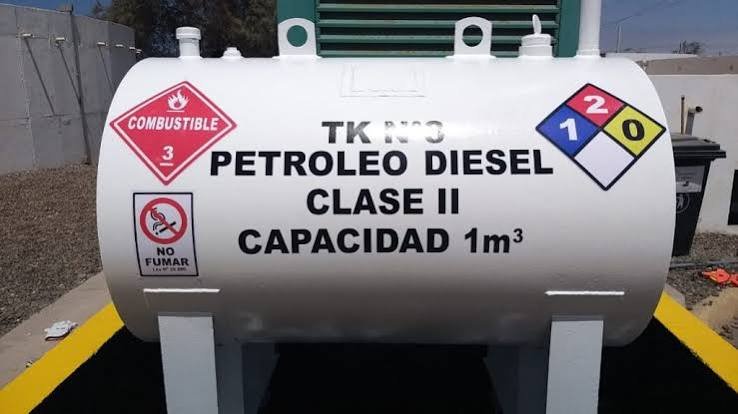
Decreto Supremo 160: The Complete Guide to Chile’s Liquid Fuel Safety Regulation
If you work in the energy sector, logistics, or any industry that stores, transports, or distributes liquid fuels in Chile, you’ve likely come across Decreto Supremo 160. It’s one of the most frequently cited regulations enforced by Chile’s Superintendencia de Electricidad y Combustibles (SEC, the national electricity and fuels regulator), and compliance is mandatory to avoid penalties, facility shutdowns, and — most importantly — serious accidents.
This article breaks down what Decreto Supremo 160 establishes, who must comply with it, its key requirements, and how to keep your operation in line with the regulation.
What Is Decreto Supremo 160?
Decreto Supremo N° 160, issued by Chile’s Ministry of Economy, Development and Reconstruction (enacted in 2008 and published in 2009), approves the “Safety Regulation for Installations and Operations Involving the Production, Refining, Transport, Storage, Distribution, and Supply of Liquid Fuels.”
In simple terms, this decree sets the minimum safety requirements that liquid fuel installations — such as gas stations, storage tanks, distribution plants, and transport systems — must meet across their entire lifecycle: design, construction, operation, inspection, and maintenance.
The Regulation’s Core Objective
The central goal of Decreto Supremo 160 is to reduce the risks of leaks, spills, fires, and explosions at facilities that handle liquid fuels, protecting workers, surrounding communities, and the environment.
Who Does Decreto Supremo 160 Apply To?
This regulation governs any individual or company involved in:
- Production and refining of liquid fuels.
- Fuel transport (by road, sea, or pipeline).
- Storage in above-ground or underground tanks.
- Distribution and supply, including gas stations.
This covers large energy companies, but it also applies to industrial facilities and businesses with their own fuel storage infrastructure — such as backup generators or vehicle fleets.
Key Requirements of Decreto Supremo 160
Design and Construction Standards
The regulation sets technical specifications for tanks, piping, valves, and containment systems, requiring materials and designs that minimize the risk of leaks or structural failure.
Safety Distances
It defines minimum distances between fuel installations and sensitive areas — homes, schools, hospitals, or water sources — to limit the impact of a potential incident.
Periodic Inspection and Maintenance
Installations must undergo regular technical inspections, including tightness tests on tanks and leak-detection checks, to catch problems before they become accidents.
Staff Training
Personnel operating or supervising regulated installations must receive specific training in safe fuel handling and emergency response protocols.
SEC Oversight
The Superintendencia de Electricidad y Combustibles is responsible for enforcing the decree. Unauthorized installations or those that fail to comply can face fines, closures, and other administrative sanctions.
Recent Updates to Decreto Supremo 160
Like any technical regulation, Decreto Supremo 160 has been amended several times since its original 2009 publication — including updates in 2016, 2019, and more recently in 2024 and 2025. These amendments have addressed, among other things, new technological options for underground and above-ground tanks, as well as standardized service-life requirements.
Why You Should Always Check the Current Version
Because of these periodic updates, businesses should always consult the latest version of the decree before undertaking any installation, expansion, or maintenance project. The official, current text is available through Ley Chile – Biblioteca del Congreso Nacional, which compiles the original decree along with all its amendments.
How to Comply with Decreto Supremo 160: Practical Steps
- Check whether your facility is covered. If you store, transport, or distribute liquid fuels, review whether your operation falls under the decree’s scope.
- Request a technical assessment. A specialized engineer can audit your current installations against the applicable requirements.
- Upgrade outdated infrastructure. Older tanks or systems may need modifications to meet current standards.
- Document inspections and maintenance. Keep updated records, since the SEC can request them during any inspection.
- Train your team regularly. Operational safety depends as much on people as on infrastructure.
- Consult official sources. For specific questions, check the SEC’s FAQ on Decreto 160 or seek specialized legal advice.
Consequences of Non-Compliance
Failing to comply with Decreto Supremo 160 doesn’t just expose a company to fines and administrative sanctions from the SEC — it significantly increases the risk of serious accidents, such as fires or spills with environmental impact. It can also disrupt business continuity if installations are shut down until issues are resolved.
Conclusion
Decreto Supremo 160 is the backbone of liquid fuel safety in Chile. Complying with its requirements isn’t just a legal obligation — it’s a direct investment in protecting workers, communities, and the environment. If your business operates installations covered by this decree, staying current with its updates and working with qualified professionals is the best way to operate with confidence, avoid penalties, and prevent accidents before they happen.












Leave a Reply