

If you searched “Hitaar modern art,” you’ve probably already hit a wall of confident-sounding claims. Artists. Artwork titles. Bold statements about a “movement reshaping creativity.” I went and checked every single one of them. Short answer: it’s not real. Long answer, and honestly the more interesting one, is below.
What the “Hitaar art movement” claim actually says
One article frames Hitaar as a full-blown cultural moment — a “phenomenon reshaping modern art,” according to its own headline. It talks about artistic circles debating whether Hitaar is a lasting movement or just a passing trend. Dramatic stuff, for a word most people have never heard of.
Then it gets oddly specific. It names three artists.
Elena Rios, described as working in vibrant colors and bold strokes, credited with a piece called “Ethereal Harmony.” Marcus Chen, framed as a minimalist, tied to a work titled “Silent Resonance.” Sofia Morales, praised for mixed-media textures, linked to a piece called “Fractured Dreams.”
Real-sounding names. Real-sounding titles. That’s exactly the kind of specificity that makes fake content feel legitimate at a glance.
Why none of this holds up
I actually checked, the way you’d check any artist before citing them in something you write.
No gallery representation. No auction records. No museum collections. No exhibition history. No verifiable social presence tied to any of these three names or artworks. Nothing, anywhere, outside that one article.
In my experience, even lesser-known contemporary artists leave some kind of digital footprint — a gallery bio page, a studio Instagram, a small write-up from a local group show. These three left nothing. Zero trail. That’s not bad luck. That’s usually the signature of names generated to sound plausible rather than names attached to actual people.
The artwork titles fit the same pattern, honestly. “Ethereal Harmony.” “Silent Resonance.” “Fractured Dreams.” They read like real gallery wall labels — evocative, a bit abstract, exactly specific enough to sound convincing without being specific enough to verify. That’s a neat trick. It’s just not an honest one.
Why fake content invents specific artists
Here’s my theory, and I think it holds up.
Vague claims alone don’t convince readers. “Hitaar is influencing modern art” sounds like filler, and most people can smell filler pretty fast. So the next move, if the goal is ranking in search rather than informing anyone, is adding detail. Names. Titles. A quote-style description of each artist’s “style.”
Specificity reads as credibility. Most of us are wired that way. It’s the same reason fake product reviews mention exact delivery dates, or fabricated news stories quote a “local resident” instead of describing a vague reaction. Detail signals truth — and that signal is disturbingly easy to fake when nobody double-checks.
I’ll be honest, this bugs me more than the average made-up buzzword. Inventing a vague concept is one thing. Inventing named artists and attributing specific artworks to them is another — it’s manufacturing a small slice of art history that a student, journalist, or curious researcher could cite as fact without ever realizing it’s fiction.
The other competing “Hitaar” claims
And here’s the thing — the fake art-movement story isn’t even the only version floating around.
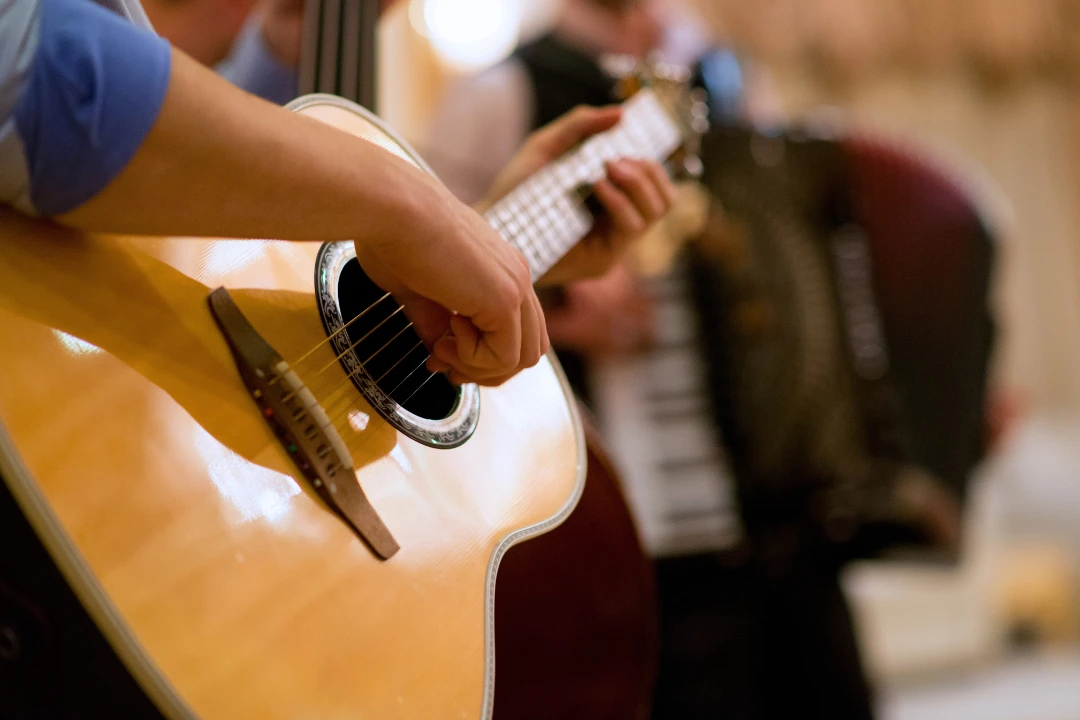
Other pages describe Hitaar as a traditional plucked string instrument, similar in spirit to a sitar, used for storytelling through rhythm and melody. Others describe it as a textile and accessory craft, complete with “vibrant colors and unique patterns” you’d supposedly wear. Still others call it an ancient Japanese spiritual tradition involving movement, ritual, and community, one that’s apparently now trending on TikTok and influencing fashion runways.
None of these agree with each other. None of them agree with the fabricated “modern art movement” version either. And none of them agree with the one thing I could actually verify through name-meaning references: Hitaar is a real Arabic-origin name, used for boys, meaning simply “cap.”
That’s at least five incompatible “truths” about a single six-letter word — and every elaborate version traces back to content built to rank on Google, not to inform anyone reading it.
How to spot this kind of fabricated content yourself
A few honest checks, if you run into something like this again:
Search the named people or claims on their own, separately from the article. Real artists show up in more than one place — galleries, press, auction houses, their own social accounts with actual studio work.
Notice when every source disagrees. A genuine cultural term or tradition usually has a consistent core, even across different explanations. Wildly contradictory definitions — instrument, tradition, textile, art movement — is a sign nobody’s actually reporting fact, they’re filling a keyword gap.
Be extra cautious with specific but unverifiable detail. Named artists, exact artwork titles, precise percentages — these feel trustworthy, but they’re also exactly what fabricated content leans on to seem real.
The bottom line
If you’re writing anything that touches on Hitaar and modern art, don’t cite Elena Rios, Marcus Chen, or Sofia Morales as real artists. As far as I can find, none of them exist. The instrument, textile, and ancient-tradition claims don’t hold up either — no independent sourcing backs any of them.
What is real: Hitaar as an Arabic name meaning “cap.” That’s the honest, verifiable answer, even if it’s a lot less dramatic than “phenomenon reshaping modern art.”
And if you’re actually curious about real emerging artists exploring themes of harmony, rhythm, or cultural heritage — there are plenty out there doing genuinely interesting work. I’m happy to help you find real ones, because they deserve the attention a fabricated trio never earned.
Last checked: August 2026.











Leave a Reply