

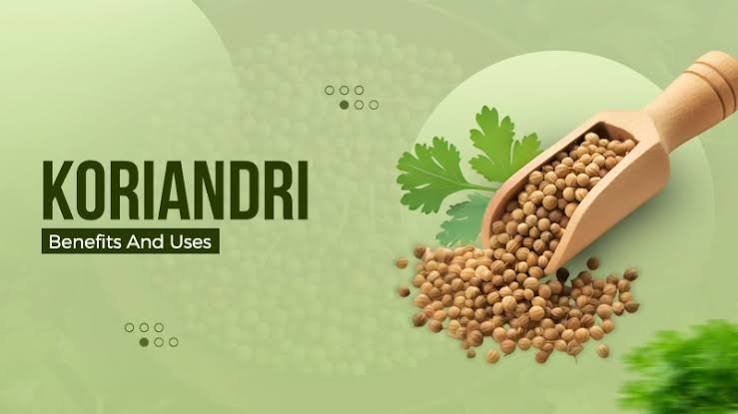
Koriandri Meaning Explained: It’s Coriander, and Here’s the Whole Story
Okay, quick answer first, because I hate when articles bury the point: koriandri is coriander. Same plant. Same herb sitting in your spice rack, probably.
But — and this is the fun part — there’s actually a decent story behind the word, and I think it’s worth the five minutes it takes to read.
Where the Word “Koriandri” Comes From
It goes back to Ancient Greek. The word was “koriannon,” and it eventually rolled into Latin as “coriandrum.” From there it spread out across languages, picking up slightly different spellings along the way. “Koriandri” is one of those regional variants — you’ll hear it used in parts of South Asia, in various European languages, and honestly, all over the place once you start looking.
Here’s the detail I actually like: some etymologists trace “koriannon” back to “koris,” the Greek word for bedbug. Not exactly a flattering comparison. The theory is that the plant’s strong, slightly musky smell reminded ancient Greeks of bug odor. Charming, right? I laughed the first time I read that. Somebody, thousands of years ago, smelled this herb and thought “yep, smells like an insect” — and that association stuck around for millennia.
Coriander vs. Cilantro — Wait, Aren’t They the Same Thing?
Sort of. This trips a lot of people up, so let’s clear it up fast.
In the US, “cilantro” usually means the fresh green leaves. “Coriander” usually means the dried seeds. Same plant, different parts, different names depending on which country you’re standing in.
In the UK and most of Europe, though, “coriander” covers the whole thing — leaves and seeds both. No separate word for the leafy version.
“Koriandri,” when you see it, is generally referring to the whole plant — leaves, seeds, sometimes even the root, depending on the cuisine.
Why This Herb Actually Matters
I think coriander gets underrated. It’s one of those background ingredients — you don’t always notice it, but pull it out of a dish and something’s just missing.
It shows up everywhere. Indian curries lean on the seeds heavily, ground into masalas. Mexican salsa and guacamole practically require the fresh leaves. Thai and Vietnamese cooking use it as a bright, sharp garnish that cuts through rich flavors. Middle Eastern dishes use both forms depending on the recipe.
It’s been cultivated for an absurdly long time, too. Evidence puts its use back in ancient Egypt, Greece, and Rome — not just for flavor, but as medicine. People used it to help digestion, calm the stomach, even as a rough form of food preservation before refrigeration existed. That’s thousands of years of humans deciding this little herb was worth growing on purpose.
The Soap Thing — Yeah, That’s Real
If you’ve ever heard someone say cilantro tastes like soap to them, that’s not them being dramatic. It’s genetic.
There’s a specific gene — related to how your smell receptors process certain aldehyde compounds in the plant — that makes a chunk of the population taste something soapy instead of fresh and citrusy. Estimates vary, but it affects a noticeable minority of people, and it’s not something you can just “get used to.” It’s wiring, not preference.
I find this fascinating, honestly. Two people can eat the exact same taco, and one tastes bright herby goodness while the other tastes dish soap. Same plant. Completely different experience. Food is weird like that.
Growing Koriandri at Home
If you’re curious, it’s genuinely easy to grow. Doesn’t need much — a sunny spot, regular watering, decent soil. Pots work fine if you don’t have garden space.
One thing worth knowing: it bolts fast in hot weather. That means it flowers and goes to seed quickly once temperatures climb, and the leaves get bitter after that happens. In my experience, cooler months are way more forgiving if you want a steady supply of fresh leaves rather than a one-and-done harvest.
Quick Recap
- Koriandri is simply a regional name for coriander, the plant Coriandrum sativum.
- The word traces back to Ancient Greek “koriannon,” possibly linked to the word for bedbug because of the plant’s strong smell.
- “Cilantro” and “coriander” often refer to different parts of the same plant, depending on where you live.
- It’s been used in cooking and medicine for thousands of years, across Egypt, Greece, Rome, and far beyond.
- The soap-taste reaction some people have is genuine and genetic — not pickiness.
- It’s easy to grow at home, especially in cooler weather.
So next time you see “koriandri” on a menu, a label, or a random blog post — now you know. It’s not some mysterious new trend. It’s just coriander, wearing a slightly different name depending on which part of the world said it first.








Leave a Reply