

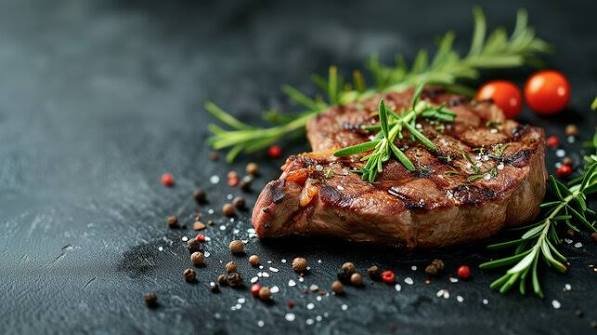
Steak Guide: Best Cuts, Cooking Methods & Doneness Levels Explained
Few meals feel as satisfying as a perfectly cooked steak — juicy, well-seared, and cooked exactly to your liking. But between dozens of cuts, cooking methods, and doneness levels, it’s easy to end up with a tough, overcooked, or bland result instead of a restaurant-quality plate.
This guide breaks down everything you need to know about steak: how to choose the right cut, the best ways to cook it, and the techniques that separate an average steak from a great one.
How to Choose the Best Steak Cut
Not all steak cuts are created equal. Some are prized for tenderness, others for rich, beefy flavor, and the best choice depends on your budget, cooking method, and personal taste.
Ribeye
The ribeye is known for heavy marbling — the streaks of fat running through the meat — which melts during cooking to create a juicy, flavorful bite. It’s one of the most popular cuts for grilling or pan-searing.
Filet Mignon
Cut from the tenderloin, filet mignon is the most tender steak cut available, though it has less fat and a milder flavor than cuts like ribeye. It’s often wrapped in bacon or served with a sauce to add richness.
New York Strip
The strip steak offers a good balance between tenderness and flavor, with a firmer bite than ribeye but still enough marbling to stay juicy. It’s a versatile, crowd-pleasing choice for grilling.
Sirloin
Sirloin is leaner and more affordable than premium cuts, making it a solid everyday option. It has good flavor but benefits from careful cooking to avoid drying out.
T-Bone and Porterhouse
These cuts include both a strip steak and a filet mignon separated by a T-shaped bone, giving you two textures and flavors in one steak. Porterhouse cuts include a larger portion of tenderloin than T-bone.
How to Season a Steak
Great steak doesn’t need much. A simple approach works best:
- Pat the steak dry with a paper towel to help it sear properly.
- Season generously with kosher salt and freshly cracked black pepper at least 30–40 minutes before cooking, or immediately before if you’re short on time.
- Add garlic, rosemary, or thyme during cooking rather than before, since fresh herbs can burn at high heat.
Letting salted steak rest before cooking allows the salt to draw out moisture and then reabsorb it, seasoning the meat more deeply and helping it develop a better crust.
Best Ways to Cook a Steak
Pan-Searing
Pan-searing in a hot cast-iron skillet is one of the most reliable ways to get a deep, even crust. Use a high-smoke-point oil, sear for 2–3 minutes per side, then add butter, garlic, and herbs toward the end and baste the steak for extra flavor.
Grilling
Grilling adds smoky flavor and is ideal for thicker cuts like ribeye or porterhouse. Preheat the grill to high heat, sear both sides directly over the flame, then move to indirect heat to finish cooking without burning the exterior.
Reverse Searing
For thick steaks, the reverse sear method — slow-cooking in a low oven before finishing with a hot sear — produces edge-to-edge even doneness with a strong crust. This method is especially popular for cuts over 1.5 inches thick.
Sous Vide
Cooking steak sous vide involves sealing it in a bag and cooking it in a temperature-controlled water bath before a quick pan sear. This method offers the most precise control over doneness, though it requires specialized equipment.
Steak Doneness Levels
Using a meat thermometer is the most reliable way to hit your desired doneness:
- Rare: 120–125°F — cool red center
- Medium-rare: 130–135°F — warm red center, the most commonly recommended doneness for flavor and tenderness
- Medium: 140–145°F — warm pink center
- Medium-well: 150–155°F — slightly pink center
- Well-done: 160°F and above — little to no pink
Since steak continues cooking slightly after it’s removed from heat (known as carryover cooking), it’s best to pull it off the heat 5°F below your target temperature.
Resting Your Steak
Never skip resting. Cutting into a steak immediately after cooking lets the juices run out onto the cutting board instead of redistributing through the meat. Let steak rest for 5–10 minutes, loosely tented with foil, before slicing.
Common Steak Cooking Mistakes to Avoid
- Cooking straight from the fridge: Cold steak cooks unevenly. Let it sit at room temperature for 30–45 minutes before cooking.
- Overcrowding the pan: Too many steaks in one pan lowers the temperature and prevents proper searing.
- Flipping too often: Flip steak just once or twice to allow a proper crust to form.
- Skipping the thermometer: Guessing doneness by touch takes practice; a thermometer removes the guesswork.
- Cutting against the wrong grain: Always slice against the grain to keep the meat tender, especially with cuts like flank or skirt steak.
Final Thoughts
Cooking a great steak comes down to choosing the right cut, seasoning simply, using the right cooking method for the thickness of your meat, and checking doneness with a thermometer rather than guesswork. Master these fundamentals, and you’ll be able to consistently cook restaurant-quality steak at home — no special equipment required.






Leave a Reply