

MP3 Juice: The Full Story, the Risks, and What to Use Now
Estimated read time: 6 minutes
Funny thing about MP3 Juice, it’s one of those names that’s been floating around the internet for well over a decade now, and somehow people still aren’t quite sure what it actually is anymore. Fair enough, honestly. It’s changed a lot.
Let’s actually sort the history from the myth.
Table of Contents
- Where Did MP3 Juice Actually Come From?
- What Is It Today, Really?
- The Legal Question, Answered Properly
- The Safety Question, Answered Honestly
- MP3 Juice vs. Legal Music Platforms
- Who’s Still Using Sites Like This, and Why?
- Better Options in 2026
- FAQ
- Final Thoughts
Where Did MP3 Juice Actually Come From?
MP3 Juice started life as a fairly simple idea: a free web tool that crawled the internet for audio files matching whatever you searched, then handed you a download link. No account, no app, no cost. Back in the earlier, wilder days of the internet, that kind of tool was genuinely common. Music piracy tools were everywhere, honestly, and MP3 Juice was just one recognisable name among many.
Over the years, though, something interesting happened. The original site’s popularity meant the name itself became more valuable than any single domain running it. So other operators started cloning the concept, sometimes the exact branding too, spreading the “MP3 Juice” name across dozens of different, entirely unrelated websites.
Which brings us to today, where there isn’t really one MP3 Juice anymore. There’s a scattered ecosystem of similarly branded sites, each run independently, each with wildly different levels of safety and reliability.
What Is It Today, Really?
In practical terms, sites carrying the MP3 Juice name still function roughly the same way they always did: type a song or artist, get a list of matching audio results, click through to download an MP3 file.
No sign-up required, generally. No cost upfront. That simplicity is genuinely still the whole appeal, and honestly, I get why it’s tempting.
But because there’s no single official operator anymore, using “an MP3 Juice site” today is a bit like ordering food from an unmarked van, it might be totally fine, or it might not be, and you’ve got no real way to verify which one you’re dealing with in advance.
The Legal Question, Answered Properly
Downloading music that’s under copyright, without permission from whoever holds the rights, artist, label, publisher, is against the law in most countries, full stop. That fact doesn’t change based on how the download happened or how convenient the tool made it feel.
Sites like this typically don’t host the copyrighted files themselves directly. They tend to act more like a search layer, pointing users toward audio hosted somewhere else on the web. That structure creates a legal grey zone for the platform operators specifically. For you, as the person clicking download, that distinction matters a lot less. Using the tool to grab a copyrighted track without a license is still, functionally, unauthorized downloading.
Enforcement against individual casual users is genuinely rare in practice. But “rarely enforced” and “actually legal” aren’t the same claim, and conflating them is where a lot of the confusion around sites like this comes from.
The Safety Question, Answered Honestly
This, more than the legal side, is where I’d actually focus your attention.
Independent reviews and security scans of various MP3 Juice-branded domains have turned up real concerns: aggressive pop-up ads, deceptive multi-button download pages where most buttons are actually disguised ads, and occasional redirects toward genuinely sketchy destinations.
User review scores tend to land in a mixed, middling range, often somewhere around 2.5 to 3.5 stars out of 5 on independent review platforms, with a noticeable chunk of negative reviews specifically citing forced ads or unwanted redirects rather than the actual download quality itself.
Because there’s no verified official version of the site anymore, you genuinely can’t be sure in advance which specific clone you’ve landed on, or how aggressively it monetises its traffic.
MP3 Juice vs. Legal Music Platforms
Here’s a quick side-by-side, honestly worth actually sitting with for a second.
| MP3 Juice-type sites | Legal streaming platforms | |
|---|---|---|
| Cost | Free upfront | Free tier or paid subscription |
| Legal status | Grey area to clearly illegal, depending on content | Fully licensed |
| Malware risk | Real, documented risk on many clones | Essentially none |
| Audio quality | Inconsistent, varies by source | Consistent, verified |
| Offline access | Yes, permanent download | Yes, within app, subscription-dependent |
| Artist compensation | None | Yes, royalties paid |
Laid out like that, honestly, the “free” side of the table starts looking a lot less appealing once you weigh what’s actually being traded away.
Who’s Still Using Sites Like This, and Why?
Mostly, I think, it comes down to habit and cost. People who discovered these tools years ago sometimes just keep using them out of routine, without necessarily clocking how much the streaming landscape has actually shifted since then.
Cost is the other honest factor. Not everyone can justify a monthly subscription, and free, ad-supported streaming tiers didn’t always exist in their current, genuinely usable form. That’s a fair pressure to acknowledge, even while flagging the real risks involved in the alternative.
Better Options in 2026
The good news is the legal landscape has gotten a lot friendlier to tight budgets in recent years.
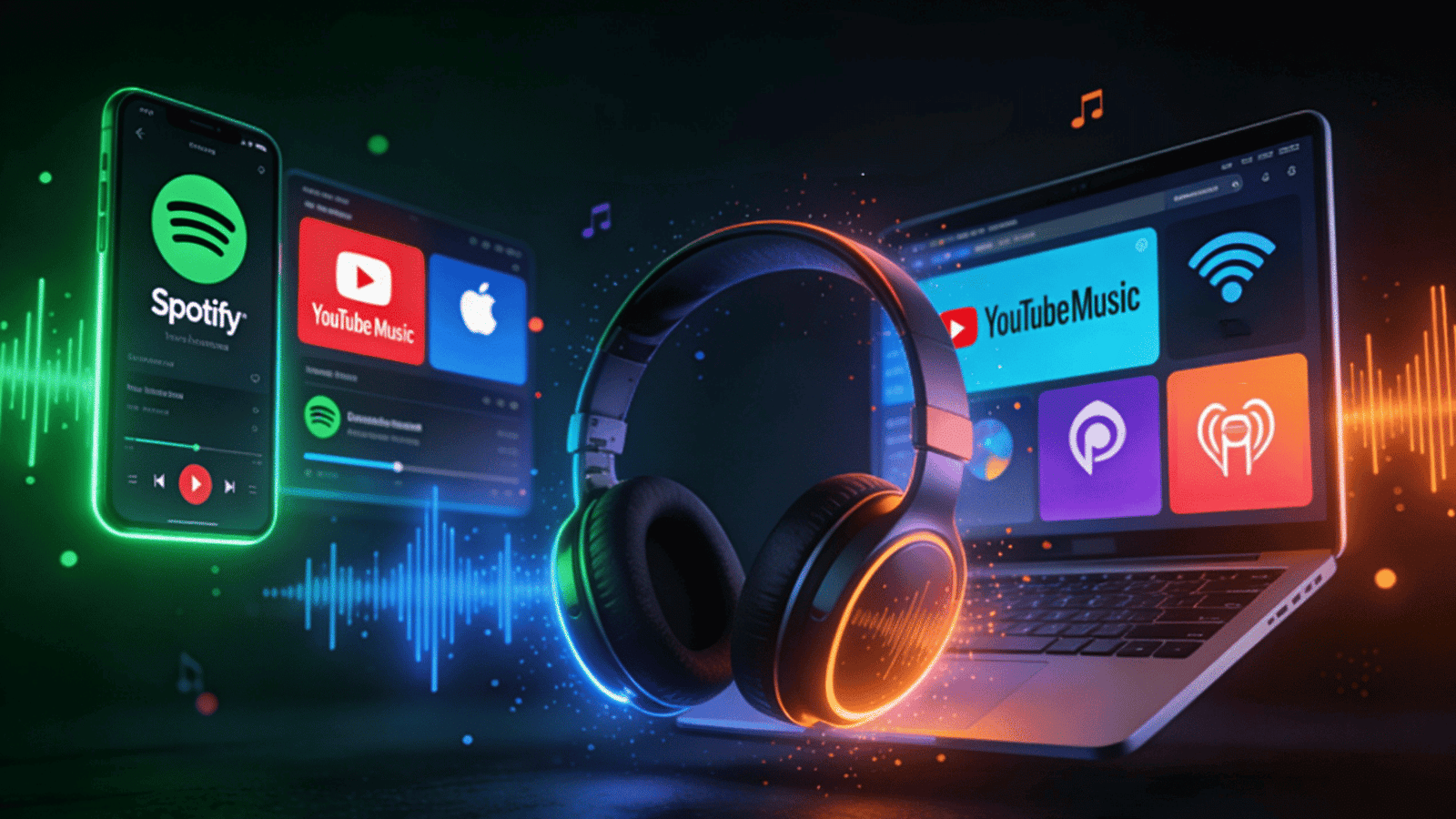
- Free, ad-supported streaming tiers. Spotify, YouTube Music, and others all offer genuinely free access, ads instead of a subscription fee, fully licensed.
- Royalty-free libraries. Jamendo and similar platforms focus specifically on independent artists releasing music under open licenses, free and completely legal to download.
- Bandcamp. Direct-from-artist purchases, often at fair prices, with a much bigger share of the money actually reaching the musician.
- Library streaming partnerships. Some public library systems now offer free, legal music streaming access through partnered apps, worth checking if your local library participates.
FAQ
Is MP3 Juice still working in 2026? Various clone sites carrying the name remain active, though reliability and safety vary significantly between them, since there’s no single official operator anymore.
Is there a difference between MP3 Juice and MP3Juices? Not meaningfully, no. Both names have been used interchangeably across the same scattered ecosystem of similarly branded sites over the years.
Can I trust reviews that call MP3 Juice safe? Treat them cautiously. Experiences vary wildly depending on which specific clone site is being reviewed, so one positive review doesn’t necessarily apply to the version you might encounter.
What’s the safest free way to download music legally? Royalty-free libraries like Jamendo, or free ad-supported tiers on major streaming platforms, both offer legitimate, cost-free options.
Does using MP3 Juice put my device at real risk? It’s a documented possibility on a meaningful number of clone sites, mainly through deceptive ads and pop-ups rather than the audio files themselves, though caution is warranted regardless.
Final Thoughts
MP3 Juice isn’t really one thing anymore, it’s a name that’s been passed around, cloned, and rebuilt by dozens of unrelated operators over the years. Some versions are relatively low-risk. Others aren’t. There’s genuinely no reliable way to know which one you’re dealing with until you’re already there.
Given how much better the legal, free options have gotten, ad-supported streaming, royalty-free libraries, direct artist platforms, the trade-off increasingly doesn’t feel worth it. Free music is genuinely available legally now. It’s just not always the first result you’d think to click.








Leave a Reply