


What Is Spellie? The Two Word Games Sharing One Name
Funny thing happened when I looked this one up. Typed “Spellie” into search, expecting one clear answer, and got two completely different games staring back at me. Same name. Totally different products. Honestly, a bit confusing at first.
So let’s clear that up properly, because whichever one you were actually after, you deserve the right answer.
Wait, There Are Two Spellies?
Yep. Genuinely two separate things, built by different people, for different audiences, and neither one seems aware of the other, at least publicly.
One is a free, browser-based Wordle-style game aimed specifically at kids. The other is a mobile app, more like NYT’s Spelling Bee, built for a general adult audience. Let’s take them one at a time.
Spellie #1: The Kid-Friendly Wordle Clone
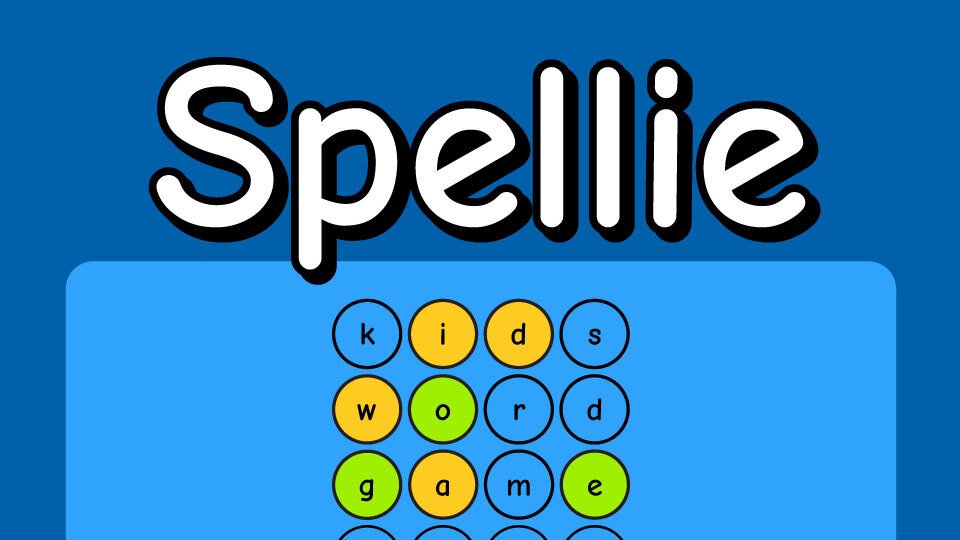
This version lives at spelliegame.com, and it’s exactly what it sounds like, Wordle, but built specifically for younger spellers who might get tripped up by Wordle’s more obscure adult vocabulary.
It was created by Christopher Porter and David Hirtle, and here’s a detail I genuinely appreciated: it’s open source, licensed under a noncommercial license, and the code sits publicly on GitHub. No hidden agenda, no ad-stuffed monetisation scheme lurking underneath. Just a straightforward, well-made kids’ game, built and shared freely.
How It Actually Works
Structurally, it plays a lot like Wordle. You get six tries to guess a hidden word, with colour-coded feedback telling you which letters are right, wrong, or in the wrong spot. Nothing revolutionary there, if you’ve played Wordle even once, you already know the mechanics.
What makes it kid-friendly specifically is the difficulty tiering. There are three daily puzzles, easy, medium, and hard, roughly mapped to Grade 2 through Grade 5 vocabulary levels. So a younger kid isn’t getting stumped by some word an adult barely recognises either.
There’s also a genuinely sweet little touch, solving puzzles unlocks hidden emojis you can collect over time. Small detail, but it’s the kind of thing that keeps a seven-year-old actually engaged rather than frustrated and giving up.
Accessibility options are baked in too, capitals versus lowercase, alphabetical or QWERTY keyboard layout, high-contrast mode. Little things, honestly, but they show someone actually thought about real kids using this, not just a hypothetical demo user.
Who Recommends It?
Public libraries, notably. I found it specifically recommended by a public library’s kids’ app section, framed exactly as “Wordle, but if it weren’t for those obscure vocabulary words.” That’s a solid, trustworthy endorsement, honestly, libraries aren’t exactly handing out recommendations lightly.
Spellie #2: The Mobile Spelling Bee-Style App
Completely different beast, this one. Built by Iron Games Limited, this Spellie is a mobile app for iPhone, iPad, and previously Android, structured much more like NYT’s Spelling Bee puzzle than Wordle.
Here’s how it plays: you’re given seven letters arranged around a center hexagon. Your job is building as many words as possible using those letters, with one specific rule, every word must include that center letter. Four-letter minimum. Repeat letters as often as you like.
Scoring works on length, four-letter words earn one point, and longer words earn a point per letter. Find a pangram, a word using every single one of the seven letters, and you bag a seven-point bonus. Satisfying, if you’ve ever played this style of game before.
You get 24 hours per puzzle, so it plays at a nice, unhurried pace, more of a daily habit than a race against a clock.
A Few Things Worth Knowing First
I want to be straight about this bit, honestly, because it matters. This version of Spellie appears to be free with in-app purchases, and at least one user review specifically flagged frustration over a subscription requirement that wasn’t clearly disclosed before installing. That’s the kind of thing worth checking directly in the app’s own listing before you download, rather than assuming “free” means fully free.
It’s also worth knowing the Android version was actually removed from Google Play in 2026, after modest download numbers, a little over five thousand total. The iOS version does still appear to be listed, based on current App Store information, though ratings on it remain fairly sparse.
Given all that, I’d genuinely recommend checking the current app store listing directly before installing, pricing, subscription terms, and current availability are the kind of details that shift quickly for smaller apps like this, and it’s better to verify firsthand than rely on anything written a while back.
So, Which One Should You Actually Look For?
Honestly, depends entirely on who’s playing.
If you’re after something for a child, or you personally find Wordle’s vocabulary a bit much sometimes, the browser-based spelliegame.com version is the one worth bookmarking. It’s free, open-source, genuinely well thought out, and carries a decent library recommendation behind it.
If you’re after a Spelling Bee-style word puzzle for yourself, the Iron Games mobile app is the closer match, structurally. Just go in with clear eyes about the subscription terms, and double-check current availability before committing to a download.
Final Thoughts
Two games. One name. Genuinely easy to confuse, honestly, and I think a fair few people searching “Spellie” have probably landed on the wrong one at some point without realising it.
If you’re after something safe, free, and built with actual care for younger spellers, spelliegame.com is the clear winner. If you specifically wanted a Spelling Bee-style challenge on your phone, the Iron Games app is closer to what you’re picturing, just read the fine print on pricing before you tap install.
Either way, now you know there are two, and you can go find the right one without the mix-up I had.
Useful links: