

Teeth Whitening: The Complete Guide to a Brighter Smile
A bright, white smile is one of the first things people notice—and for many, it’s a quiet confidence booster. Whether your teeth have dulled from coffee, wine, aging, or years of everyday habits, teeth whitening offers a straightforward way to reverse discoloration and refresh your appearance. But with so many options on the market, from drugstore strips to in-office laser treatments, choosing the right method can feel overwhelming.
This guide breaks down everything you need to know about teeth whitening: how it works, which methods deliver real results, and how to protect your smile (and your wallet) along the way.
What Causes Teeth Discoloration?
Before choosing a whitening method, it helps to understand why teeth stain in the first place. Discoloration generally falls into two categories:
Extrinsic Stains
These affect the outer enamel layer and are caused by external factors like coffee, tea, red wine, tobacco, and certain foods. Extrinsic stains are usually the easiest to treat with whitening products.
Intrinsic Stains
These occur inside the tooth, often from aging, certain medications (like tetracycline), excessive fluoride exposure, or trauma. Intrinsic stains typically require professional treatment, as surface whitening products may not penetrate deep enough to make a visible difference.
How Does Teeth Whitening Work?
Most whitening treatments rely on peroxide-based bleaching agents—either hydrogen peroxide or carbamide peroxide. These compounds break down and release oxygen molecules that penetrate the enamel, breaking apart stain compounds without removing any tooth structure. The higher the peroxide concentration, the faster and more dramatic the results, though higher concentrations also carry a greater risk of sensitivity.
Teeth Whitening Options: Which One Is Right for You?
1. Professional In-Office Whitening
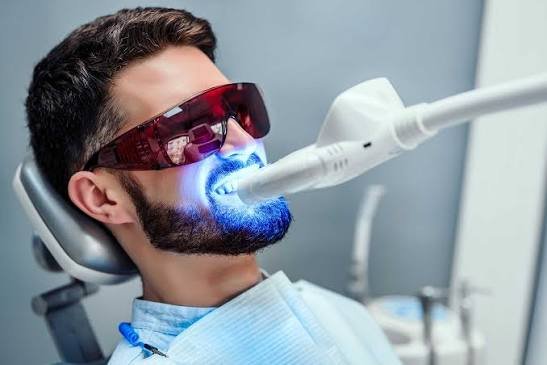
Performed by a dentist, this method uses high-concentration peroxide gel, often activated by a special light or laser. It’s the fastest option, capable of lightening teeth several shades in a single visit.
Pros: Immediate, dramatic results; supervised for safety; ideal for stubborn or intrinsic stains.
Cons: Most expensive option; may cause temporary sensitivity.
2. Dentist-Prescribed At-Home Kits
Your dentist creates custom-fitted trays and provides professional-grade whitening gel to use at home over one to two weeks.
Pros: More affordable than in-office treatment; custom trays ensure even application; strong, reliable results.
Cons: Takes longer than in-office whitening; requires consistency.
3. Over-the-Counter Whitening Strips and Gels
These contain lower concentrations of peroxide and are applied directly to teeth. Brands vary widely in effectiveness.
Pros: Affordable and convenient; noticeable results with consistent use.
Cons: Slower results; generic trays may cause uneven whitening; less effective on deep stains.
4. Whitening Toothpaste and Mouthwash
These products use mild abrasives or low levels of peroxide to remove surface stains gradually.
Pros: Easy to incorporate into your daily routine; low cost; low risk of sensitivity.
Cons: Minimal impact on existing stains; best for maintenance, not transformation.
5. Natural and DIY Remedies
Options like baking soda, activated charcoal, or oil pulling are popular online, but scientific evidence supporting their effectiveness is limited.
Pros: Inexpensive and accessible.
Cons: Can be abrasive to enamel with frequent use; results are inconsistent; not dentist-recommended for long-term use.
Is Teeth Whitening Safe?
For most people, whitening is safe when done correctly and in moderation. That said, a few precautions matter:
- Consult your dentist first, especially if you have cavities, gum disease, or sensitive teeth.
- Avoid overuse. Excessive whitening can wear down enamel and increase sensitivity over time.
- Whitening doesn’t work on crowns, veneers, or fillings, which can create uneven coloring compared to natural teeth.
- Pregnant or nursing individuals should check with a healthcare provider before starting any whitening treatment.
Tips to Maintain Your Results
Whitening isn’t a one-and-done fix—maintenance is key to keeping your smile bright.
- Practice good oral hygiene. Brush twice daily and floss to prevent new surface stains from setting in.
- Limit staining foods and drinks. Coffee, tea, red wine, and berries are common culprits. Rinsing with water after consuming them helps.
- Use a straw when drinking beverages that stain, minimizing contact with your front teeth.
- Quit or reduce tobacco use, a leading cause of stubborn discoloration.
- Schedule regular dental cleanings to remove plaque and surface stains before they build up.
- Consider touch-up treatments every few months, depending on the whitening method used and your lifestyle habits.
How Long Do Results Last?
Results vary based on the method used and personal habits. In-office whitening can last six months to two years, while over-the-counter options may fade within a few months. Diet, oral hygiene, and smoking all influence how long your bright smile lasts—so pairing whitening with healthy habits pays off long-term.
Final Thoughts
Teeth whitening is one of the simplest ways to enhance your smile and boost your confidence, but the right method depends on your budget, timeline, and the type of staining you’re dealing with. For fast, dramatic results, professional treatments are worth the investment. If you’re easing into a whitening routine, at-home kits and whitening toothpaste offer a gradual, low-risk starting point.
Whatever route you choose, consult with a dental professional to ensure your whitening plan is both effective and safe for your unique smile. With the right approach and a little maintenance, a brighter, more confident smile is well within reach.











Leave a Reply